Founded 1979. One philosophy.
Teach the whole child. Build success upon success. Keep classes small enough that nobody is invisible.
A non-profit run by educators.
The Learning Tree Center was founded in 1979 by educators who believed a school should be built around the child — not the other way around. Four decades later it remains a non-profit, locally and family owned, on a gated three-acre campus in Palm Desert.
- Child-centered, creative program — academic and personal excellence
- Values: empowerment, kindness, respect, learning
- Our three Rs: respect yourself, respect others, respect property
- Maximum 20 students per teacher, every classroom, every year
Support the school Pay tuition or fees
We are a 501(c)(3) non-profit. Donations are tax-deductible and go to classroom technology, field trips, the science fair and scholarships. The school keeps 100 percent, with no platform fee.
People who stay.
Founded by the Craven and Morway families, who still run it. Several teachers have been here since the early years.
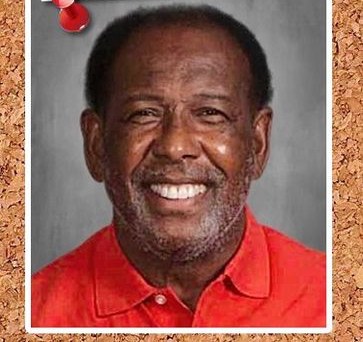
Olen Robert Craven
B.A. Education · B.S. and M.S. Recreation Education · UCLA and Cal State LA
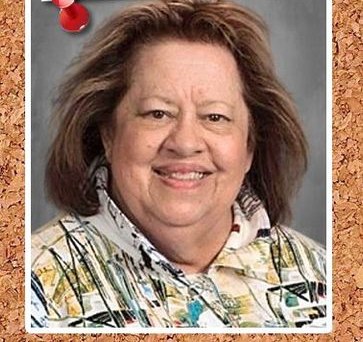
Druscilla Oliver Craven
B.A. Sociology · B.A. and M.A. Education, San Jose State · K–8 Life Credential · M.A. Special Education, Brandman
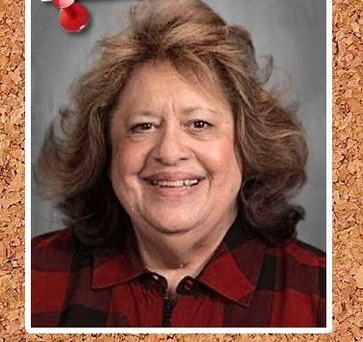
Angela Oliver Morway
B.A. Sociology, San Jose State · K–8 Life Credential · ECE Credential · M.A. Special Education, Brandman
Jennifer Whittamore
B.A. Political Science and B.A. History · UC Santa Barbara
Patty Rosas
B.A. Liberal Arts and Spanish · K–8 Multiple Subject and Special Education Credentials, Cal State San Bernardino
Nancy Medina
ECE Credential · Child Development Association, College of the Desert
Silvia Pacheco
A.A. Business Administration · Child Care Occupations Certificate, Riverside County · B.A., CA Commission on Teacher Credentialing
Cinthia Flores
B.A. Psychology and B.A. Computer Information Systems, UC Riverside · behavior interventionist since 2019 · M.A. in progress at USC
Yuliana Ramos
Spanish for every grade, Pre-K through 6th.
Nimshi “Niki” Perera
B.S. Engineering · B.A. Liberal Arts · Montessori Certificate · ECE Certification
And the people who keep the place running
A school is not only its teachers. These are the people your child sees every day.
Brittany
Diane Gervin
Bonnie Nicolson
Grace Ruiz
Terri Saderup
Francine Naperano
Craig Naperano
Ready for what comes next.
Sixth grade here ends with a promotion ceremony, and our students move on to selective private schools and to public middle and junior high schools across the valley.
Standards that transfer
We teach the same California-adopted programs the public districts use, so nothing has to be relearned.
Able to work alone
Homework, study hall and trimester reports build the habit of managing their own work before they need it.
Used to speaking up
Student Senate, science fair, spelling bee and assemblies mean presenting in front of people is normal by the time they leave.
The curriculum, by name.
Established, California-adopted programs, so a child who transfers in or out is never out of step.
Wonders, McGraw-Hill
The California-adopted program. Students read with a pencil in hand, then write about what they read.
Abeka Math
The same program Desert Sands Unified adopted, so math skills transfer cleanly.
Houghton Mifflin “Discovery Works”
Life, earth and physical science, built around asking questions and testing them.
Also taught: phonics, handwriting, spelling, social studies and Spanish. Every student has computer lab weekly, run by a Microsoft Certified Professional.
The day does not end at the bell.
Elementary students can arrive at 6:00 a.m. and stay until 6:00 p.m. at no extra charge.
Seasonal teams
Soccer, basketball, baseball, track and flag football.
Something for every child
Gymnastics, tap, ballet and jazz dance, karate, art and drawing, computer skills, and piano with a visiting professional instructor. These carry a fee on top of tuition.
Study hall, Tuesdays and Thursdays
Staffed help with homework or quiet reading. Tutoring available.
Activities run between 3:00 p.m. and 5:30 p.m. daily. Extra-curricular classes carry a small fee.
Cooked here. Every day.
Not trucked in, not reheated from a warmer. A full-time licensed cook makes lunch on campus, and it is a real plate of food.
A main, a vegetable, fresh fruit
Plus juice or milk, and dessert. Made that morning by our own cook, who knows which children will not touch a green bean.
Pizza day, and burger day
A special meal comes round every week. Ask any child here which day is pizza day and you will get an immediate answer.
Bring lunch, no explanation needed
Plenty of families send lunch from home and that is completely normal here. The lunch plan is optional and priced separately.
There is a snack break mid-morning and another after school. Children can bring snacks from home or buy them at the front office for 75 cents. The lunch plan is $75 a month on top of tuition, or bundled at $1,000 a month all in.
A private school near you, wherever you are in the valley.
If you are searching for a private school or preschool near you, this is the middle of the valley. Three acres on Washington Street, right on the line between Palm Desert and Bermuda Dunes, with Interstate 10 and Highway 111 both close. Families drive in from across the Coachella Valley, and the 6:00 a.m. to 6:00 p.m. day is what makes a commute workable.
Drop at six, collect at six
The campus is open twelve hours and care at both ends is included in tuition. You are not paying extra to make the commute fit your job.
Straight down Washington
42-675 Washington Street. One road from the I-10 for families coming from the west end of the valley, and a clean run up Washington from La Quinta and Indio.
The whole valley, in one class
Our families come from every part of the Coachella Valley and from a wide range of backgrounds. Children grow up around people unlike themselves, which is most of the point.
Arriving mid-year is normal here.
The Coachella Valley is in the middle of a build-out. Thermal Ranch, Acrisure Arena and DSRT Surf are all bringing families to Palm Desert, La Quinta, Thermal and Indio on their own schedule rather than in September. We have rolling admission for exactly this reason: no admissions season, no waitlist, and a child can usually start within a week of you calling.
Desert International Horse Park & Thermal Ranch
The winter circuit brings families to Thermal for months at a time, and Riverside County has approved Thermal Ranch, a 619-acre permanent home for the Desert International Horse Park. If you are here for a season, your child can enroll for a season. If you travel to shows, our live online classes keep them with their own teacher.
Coachella Valley Lakers & Firebirds at Acrisure Arena
The Coachella Valley Lakers begin play at Acrisure Arena in 2026-27, joining the Firebirds. Players, coaches and staff move on a roster calendar, not an academic one. A twelve-hour day and mid-year enrollment are built for that.
DSRT Surf at Desert Willow
DSRT Surf opens at Desert Willow in summer 2026, and the resort and hospitality build-out around it brings families who need a school and childcare on day one, not next August.
Relocating from out of state or abroad
Families relocating from out of state or abroad tour by video call, complete records and enrollment online, and walk in on the first morning already sorted. We answer in English and Spanish.
How enrolling works Book a video tour
Mid-year and mid-semester students are welcome whenever a grade has space, and each new child is paired with a buddy family. Thermal Ranch is an approved project, not yet open.
You are not a spectator here.
Our handbook calls parents one of the school’s greatest assets, and it means it literally. The Parent/Teacher Club organizes and staffs the events that make up the year. Without it there is no Winter Wonderland, no Trunk or Treat, no campout.
Family and community
Connecting the school to the valley around it, and new families to the ones already here.
In the classroom
Reading with children, helping on project days, sharing what you do for a living.
Fundraising
The drives and the auctions that pay for the things tuition does not cover.
Special events
Chaperoning the campout, running the cake walk, flipping burgers at the water splash.
See what the year looks like Ask how to join
Every new parent is encouraged to get involved and bring whatever they have, whether that is time, a skill, or a connection. It is also one of the three things the committee weighs when awarding tuition scholarships.
Traditions worth showing up for.
Halloween Trunk or Treat
Costume parade, classroom parties, a ribbon for everyone.
Winter Wonderland
Food trucks, cake walk, face painting, bouncy houses and a silent auction.
Grandparent’s Day
A classroom visit and lunch on the front lawn.
Water Splash & Picnic
Bouncy houses, pizza, snow cones and prizes.
Also: three Scholastic Book Fairs, a Spelling Bee, Student of the Month assemblies, a Science Fair whose winners advance to the Inland Empire finals, and Jump Rope for Heart, twenty years running.
Eight things, before anything else.
These open our handbook, and they matter here as much as the reading scores do. A child who leaves us having learned only these has still learned the important part.
- 1Be kind to others
- 2Do your best
- 3Stay humble
- 4Always be thankful
- 5Work hard
- 6Do the right thing
- 7Smile often
- 8Never stop learning
And three rules that govern everything else: respect yourself, respect others, respect property.
Three rules. That is all.
Every rule here comes back to one of three ideas. Children can remember three.
Respect yourself
Every student is a very important person, and we expect them to act like it.
Respect others
Treat everyone here the way you would want to be treated.
Respect property
Take care of what belongs to the school and to each other.
When something goes wrong we talk it through first. Good behavior gets recognized all year.
When a rule is broken, the child is walked through what they said or did and why it matters, in this order: a time-out, then restricted free time, then a conference with the parents and the principal. Suspension and expulsion exist but are the last step, not the first. We believe in positive peer pressure, and here it works: personal achievement is valued by the students themselves, so doing well does not cost a child their friends.
You hear from us three times a year, at least.
Every trimester
Three a year. Numbers for academics, letters for personal development. Interim reports if something needs attention sooner.
Face to face
At the first and second trimester, and any time you ask. Every teacher has prep time set aside for parents.
Each spring
Testing takes place in the spring to measure academic growth over the year.
Homework builds responsibility and independence. Our monthly newsletter, “Happy Days,” keeps families current. Classroom visits welcome by appointment.
See the campus. Meet the teachers.
Tours run every week — in person, or by video call for families abroad.
Book a Tour